
Living with uneven skin tone can feel quietly frustrating. Melasma, in particular, has a way of appearing gradually and then refusing to fade as quickly as one might hope. Many people notice it after prolonged sun exposure, hormonal shifts, or even periods of stress, and unfortunately, it does not always respond well to basic skincare …
Living with uneven skin tone can feel quietly frustrating. Melasma, in particular, has a way of appearing gradually and then refusing to fade as quickly as one might hope. Many people notice it after prolonged sun exposure, hormonal shifts, or even periods of stress, and unfortunately, it does not always respond well to basic skincare routines. While concealers and brightening creams may help temporarily, they often fail to address what is happening beneath the surface of the skin. Over time, this can lead people to explore medical options, usually with a mix of curiosity and caution.
From a dermatologist’s perspective, melasma is rarely a simple condition. It tends to behave differently from person to person, and what works for one individual may not work as smoothly for another. In practice, managing it often becomes a careful balancing act between targeted treatment and long-term skin support, rather than a one-off fix.
Understanding Why Melasma Requires Precision
When patients begin researching treatment options, discussions about a top melasma clinic Singapore often come up mid-conversation, especially when previous attempts have not delivered lasting improvement. This usually happens because melasma is influenced by multiple factors at once. Pigment sits at varying depths of the skin, and triggers such as ultraviolet exposure or hormonal fluctuations can reactivate it even after it appears to have faded.
Precision in treatment matters because overly aggressive approaches may irritate the skin, which can worsen pigmentation instead of improving it. On the other hand, treatments that are too gentle may not reach the deeper pigment at all. Therefore, dermatologic care often focuses on finding an approach that respects the skin barrier while still encouraging gradual pigment reduction. This process can feel slow at times, and unfortunately, patience becomes an important part of the journey.
Diagnostic Assessment Before Any Treatment
Before treatment begins, a thorough skin assessment is usually recommended. This step is sometimes overlooked, but it plays a significant role in guiding the overall plan. A dermatologist may examine the depth of pigmentation, skin type, and sensitivity levels. In some cases, special lighting tools are used to better understand where the pigment is concentrated.
This assessment helps determine whether melasma is predominantly epidermal, dermal, or mixed. The distinction matters, because surface-level pigmentation may respond more readily to topical therapies, while deeper pigment often requires more advanced intervention. In addition, lifestyle factors such as sun habits, current skincare products, and even occupational exposure to light are often discussed, even if it feels repetitive at first.
Treatment Options Commonly Used in Practice
Topical Therapies and Controlled Lightening
Topical treatments are frequently used as a starting point. These may include prescription-strength lightening agents or pigment regulators. They work gradually and are often paired with strict sun protection. While some improvement may be seen within weeks, it is not unusual for results to plateau. In many cases, topical care becomes a long-term maintenance tool rather than a standalone solution.
Energy-Based Devices for Pigment Management
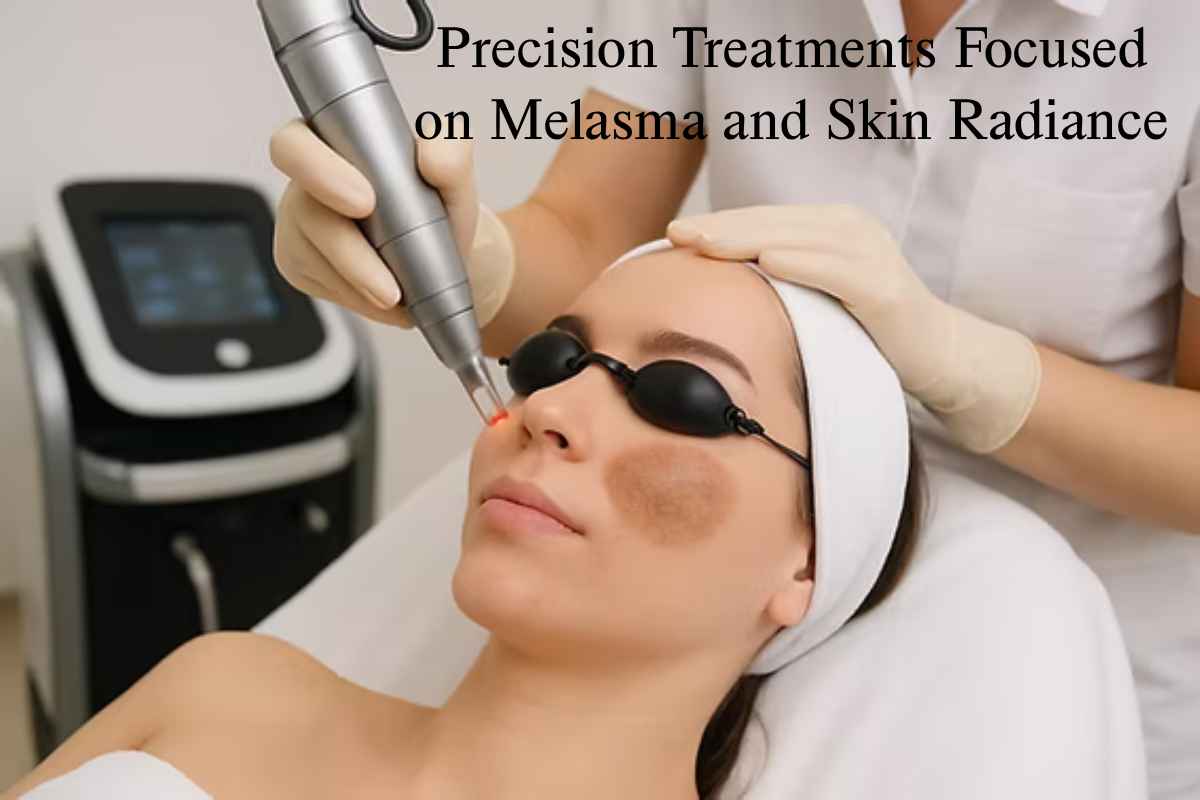
Laser and light-based treatments are sometimes introduced when topical therapies alone are not sufficient. These devices aim to break down pigment particles so the body can clear them naturally. However, they must be used cautiously. Depending on the situation, lower-energy settings and longer intervals between sessions may be preferred to reduce the risk of rebound pigmentation.
Some patients notice brighter skin fairly quickly, while others experience more subtle changes. It is worth noting that these treatments do not eliminate the tendency for melasma to return. Instead, they may help manage its appearance when combined with ongoing care.
Chemical Peels and Controlled Exfoliation
Superficial chemical peels are another option that may be considered. They help remove surface pigment and promote skin renewal. That said, peels are not always suitable for everyone, particularly those with sensitive or reactive skin. In practice, peels are often used sparingly and as part of a broader plan rather than as a main treatment.
Supporting Skin Radiance Beyond Pigment Reduction
Treating melasma alone is rarely the full story. Many patients also want their skin to look healthier overall, not just lighter. Hydration, barrier repair, and gentle stimulation of collagen all contribute to a more radiant appearance. Therefore, dermatologic plans often include calming treatments, antioxidant support, and advice on daily skincare habits.
In addition, sun protection cannot be overstated, although it is sometimes underestimated. Even brief, unprotected exposure can reactivate pigmentation. This can feel discouraging, especially when progress has already been made. Still, consistent protection remains one of the most effective ways to preserve results over time.
When to Seek Professional Help
- Pigmentation continues to darken despite careful sun protection
- Over-the-counter products cause irritation or uneven results
- Melasma returns quickly after previous treatments
- Skin sensitivity increases during self-directed treatment attempts
- There is uncertainty about which procedures are safe for your skin tone
Seeking guidance early may help prevent unnecessary setbacks and reduce trial-and-error approaches.
Long-Term Strategies for Maintaining Results
Long-term management is often where expectations need adjustment. Melasma tends to be chronic, meaning it may require periodic treatment rather than a single intervention. Maintenance plans often include milder versions of initial treatments, combined with topical support and regular check-ins.
For some people, improvement comes in waves rather than a straight line. Pigmentation may lighten, darken slightly, and then stabilize again. Understanding this pattern can make the process feel less discouraging. In practice, consistency usually matters more than intensity.
A Balanced Approach to Lasting Skin Clarity
Achieving brighter, more even skin in the presence of melasma is rarely straightforward. Precision treatments, when thoughtfully planned, may support gradual improvement without overwhelming the skin. By combining targeted procedures with daily protective habits, it often becomes possible to maintain a more stable and radiant appearance over time, even if occasional flare-ups still occur.
Commonly Asked Question
Can melasma be permanently cured
Melasma is generally considered manageable rather than curable. While treatments may significantly reduce its appearance, ongoing care is usually needed to help prevent recurrence.
How long does treatment usually take
Treatment timelines vary. Some people notice changes within a few months, while others require longer periods of adjustment and maintenance.
Are lasers always necessary for melasma
Not always. In some cases, topical treatments and strict sun protection may be sufficient, especially for milder pigmentation.
Can melasma worsen with the wrong treatment
Yes, irritation or overly aggressive procedures may trigger darker pigmentation. This is why professional guidance is often recommended.
Does melasma affect overall skin health
While melasma itself is not harmful, it can indicate underlying sensitivity to light or hormonal influences, which may affect broader skin care decisions.
Next Steps
If melasma has become a persistent concern, considering a professional evaluation may help clarify which options are realistic for your skin. A personalized discussion with a dermatologist can set expectations, reduce unnecessary experimentation, and support a more measured, long-term approach to skin radiance.